Digitale Transactienetwerken Hervormen Toegang tot Tafelspellen op Gereguleerde Mobiele Platforms in Nederland
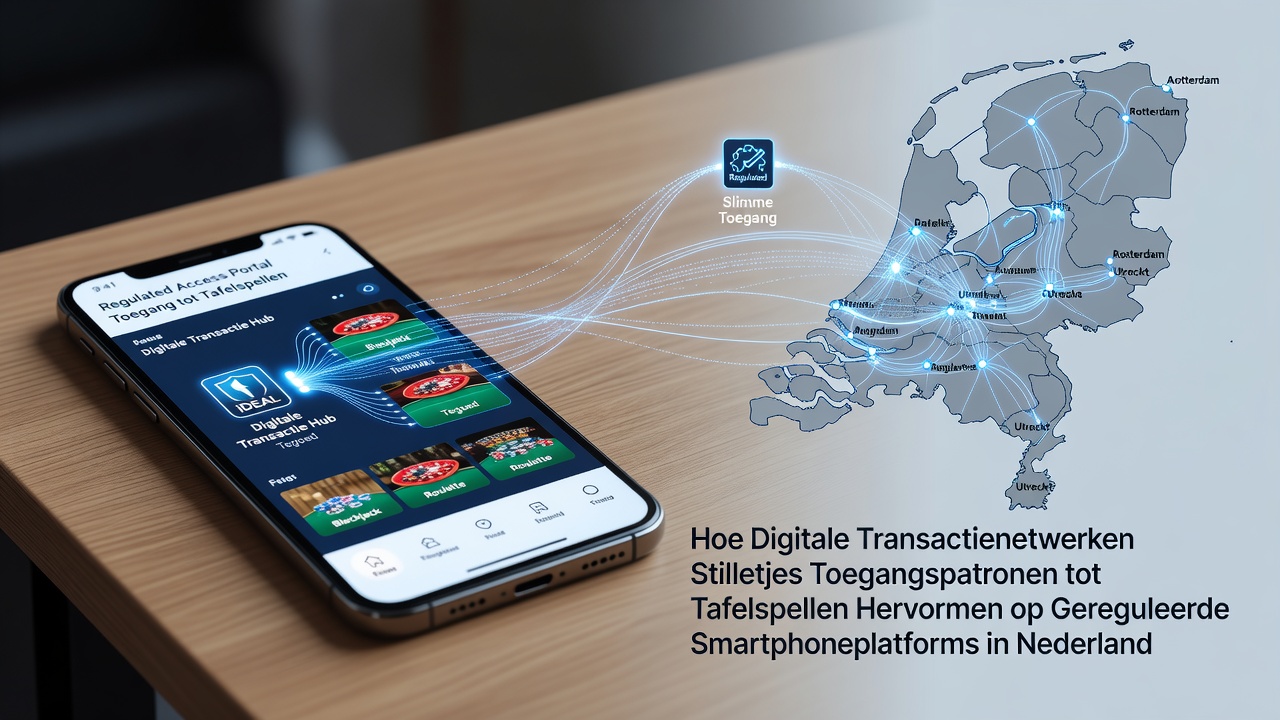
Regulated smartphone platforms in the Netherlands have seen digital transaction networks integrate more deeply with table game access since the licensing framework stabilized and payment rails like iDEAL expanded their reach across licensed operators. Data from the Dutch payments association shows that instant bank transfers now account for the majority of deposits into regulated environments and this shift has altered session timing patterns for roulette and blackjack tables on mobile devices. Observers note that players initiate play sessions more frequently during evening commute hours and shorter breaks because transaction confirmation occurs within seconds rather than minutes.
Veranderingen in Deposito- en Toegangsprocessen
Before widespread adoption of real-time bank transfers the sequence from deposit to table entry often involved additional confirmation steps that extended setup time and researchers at Dutch financial institutions documented how these delays influenced player behavior on early licensed apps. Since the networks matured however the process has compressed so that users move from bank app approval directly into live dealer interfaces and this compression shows up in session frequency metrics reported by several operators through 2025 into July 2026. Figures reveal that average time between deposit and first bet on mobile table games dropped noticeably while repeat logins within the same day increased particularly among users who previously relied on card-based methods.
Invloed op Spelpatronen en Platformgedrag
Access patterns have diversified because frictionless transfers allow smaller incremental deposits that align with shorter play windows and this development appears in aggregated telemetry from licensed platforms where evening table game traffic peaks earlier than traditional weekend blocks. Studies conducted by European research consortia indicate that mobile users now distribute their activity across more days of the week rather than concentrating it and the same data sets link the change to availability of instant settlement rails that eliminate waiting periods between funding decisions and gameplay. Those who have examined the logs observe that blackjack and roulette tables experience steadier occupancy during weekday afternoons as commuters fill brief intervals with quick sessions funded through the same banking apps they use for everyday purchases.

Technische Integratie en Veiligheidsprotocollen
Operators have embedded transaction APIs directly into their mobile front ends so that users never leave the app environment to complete funding and this integration reduces drop-off rates during the deposit phase according to platform analytics shared at industry forums. Security protocols rely on bank-grade authentication layers that already exist within the Dutch banking system therefore additional verification steps remain minimal yet still meet regulatory standards set by national oversight bodies. Reports from the European Central Bank highlight how such embedded flows maintain traceability while preserving speed and licensed Dutch platforms have adopted these models without requiring separate wallet intermediaries in most cases.
Gegevens over Gebruikersgedrag tot Juli 2026
Statistics compiled through mid-2026 show that table game participation on regulated smartphone platforms rose in parallel with the expansion of instant payment options and the correlation holds after controlling for marketing spend and new game releases. Academic papers from institutions in the Netherlands and neighboring countries examine how reduced transaction latency correlates with changes in average bet size distribution where smaller stakes appear more often during brief mobile sessions. The same research notes that users who combine multiple short sessions funded by instant transfers maintain overall monthly expenditure levels comparable to earlier patterns but spread across different times of day and week.
Regelgevende Context en Toekomstige Ontwikkelingen
National rules require that all payment flows remain within licensed channels and digital networks have facilitated compliance tracking because each transfer carries verifiable metadata that operators can log automatically. Future updates to open banking standards across the EU are expected to introduce additional consent layers yet current implementations already allow Dutch platforms to verify funds without extending setup time beyond a few seconds. Industry associations in the Benelux region continue to publish comparative figures that place the Netherlands among markets with the highest penetration of instant bank transfers for gambling deposits and these metrics help illustrate how infrastructure choices shape access rhythms on mobile table game offerings.
Conclusie
Digital transaction networks have become integral to the operational flow of regulated smartphone platforms offering table games in the Netherlands and the resulting changes in access timing and frequency appear consistently in operator data through July 2026. Real-time settlement has aligned deposit actions more closely with everyday mobile banking habits while maintaining the traceability required by oversight frameworks. As open banking continues to evolve the same networks are likely to support further refinements in how players reach live dealer tables without altering the underlying regulatory requirements that govern licensed operations.